
Nutrition
A Realistic Gut-Friendly Day of Eating for Indian Families
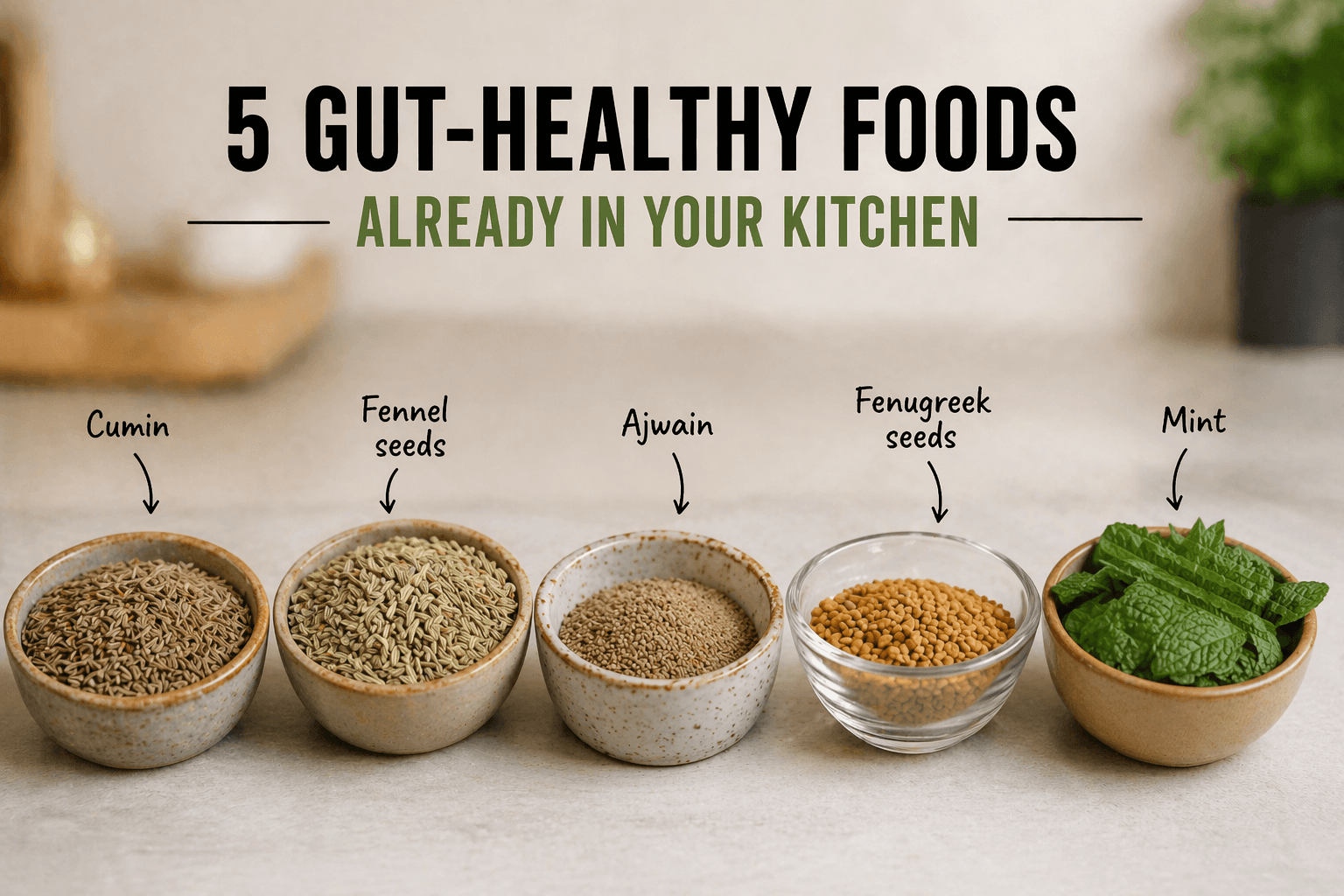
Many people hear the phrase gut-friendly diet and immediately imagine bland soups, expensive supplements, and a long list of forbidden foods. That impression makes digestive care feel unsustainable before it even begins. But for Indian households, gut-friendly eating can be warm, practical, and rooted in familiar foods. The goal is not perfection. The goal is to reduce irritation, improve regularity, and create meals your body can process more comfortably.
A realistic gut-friendly day usually starts with a calmer morning. Instead of only tea on an empty stomach, begin with hydration and then choose a breakfast that is light yet structured. A moong chilla with curd, soft vegetable poha with peanuts, idli with sambar, or dahi with cooked fruit and seeds can all work better than biscuits or spicy leftovers first thing in the day. The body often responds well to warmth, softness, and routine.
Lunch is a strong opportunity to support digestion because it is usually the meal when digestive fire feels more stable. A balanced plate may include simple dal, rice or roti, one cooked sabzi, curd if tolerated, and a small salad or chutney depending on what your gut handles well. People dealing with bloating often do better with cooked vegetables than with large raw salads. Lauki, tori, pumpkin, carrots, beans, spinach, and even soft khichdi-style meals can feel surprisingly nourishing.
An afternoon snack should avoid creating another sugar spike. Fruit with nuts, buttermilk, roasted chana, or a small bowl of curd can bridge the gap without turning into a processed snacking session. Dinner usually works best when it is lighter than lunch but still satisfying. Soupy dal, soft sabzi, millet or rice in sensible quantity, and easy-to-digest proteins often feel much better than very oily takeout or ultra-late heavy meals.
Hydration and pace matter as much as food choice. A gut-friendly day includes enough water, slower chewing, and fewer huge gaps between meals. It also respects the role of stress. You can eat excellent foods and still feel unwell if every meal is rushed, distracted, and squeezed between work pressure and screens.
The beauty of a gut-friendly Indian routine is that it does not require a separate identity. It can live inside the meals your family already recognizes. Small shifts like cooking vegetables more gently, improving meal timing, reducing random packaged foods, and adding fermented or fiber-rich foods gradually can change digestion significantly over time. Healing rarely comes from one miracle food. It usually comes from making everyday eating feel more supportive and less chaotic.
Want to read more client stories?