
Weight Loss
Late-Night Cravings: What Your Body Is Actually Asking For
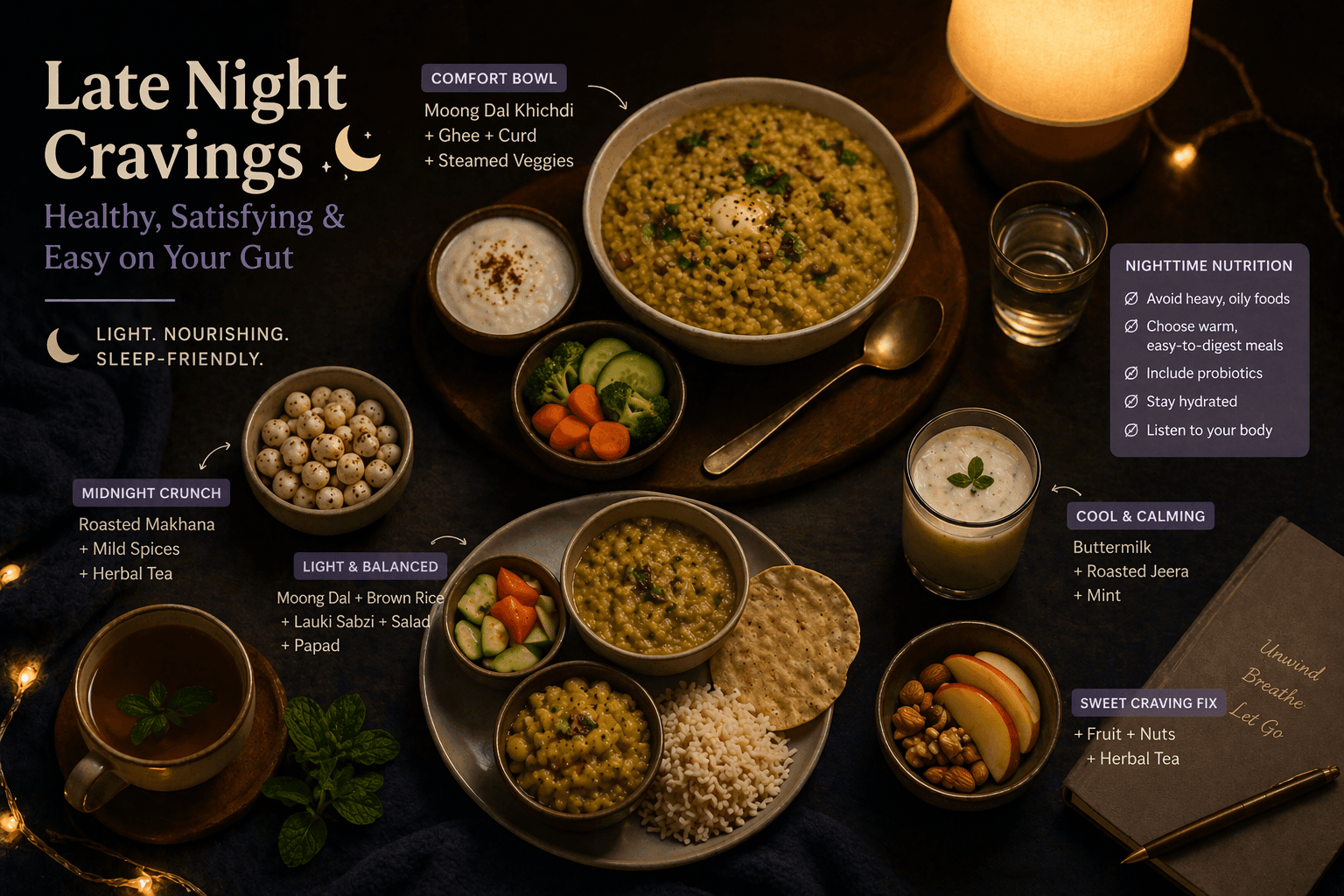
Late-night cravings are often described like a character flaw. People say they lose discipline at night, their willpower disappears after dinner, or they suddenly become unable to control themselves around sweets and snacks. While emotional eating can certainly play a role, many late-night cravings begin much earlier in the day. By the time someone is in the kitchen at 11 PM, the real mistake may have happened at breakfast, lunch, or in the long gap between meals.
One of the most common drivers is undereating during the day. Skipped breakfasts, tiny lunches, very light salads, or caffeine-heavy workdays may create a false sense of control in the short term, but the body still catches up. Hunger that is suppressed all day often becomes louder at night when work slows down and attention finally returns to the body. In that state, people do not usually crave cucumber. They crave dense, rewarding foods because the body wants energy quickly.
The second driver is low protein and low fiber meals. If most meals are built on toast, tea, fruit, or refined carbs, satiety disappears fast. The brain keeps searching for completion, and that search often shows up after dinner as repeated trips to the kitchen. A well-built day usually reduces night cravings automatically because the body no longer feels underfed.
There is also the emotional side. Night-time can create a quiet space that makes stress, fatigue, boredom, loneliness, or reward-seeking more noticeable. Many people do not actually want the biscuit, chips, or mithai itself. They want a break, comfort, or closure after a draining day. That is why cravings respond better to curiosity than shame. Ask: am I physically hungry, emotionally tired, overstimulated, or just finally noticing that I have not eaten properly?
Solutions work best when they begin earlier. Build stronger meals during the day. Include protein at breakfast and lunch. Avoid huge gaps without food. Keep dinner satisfying rather than performatively light. If you still like a night ritual, plan one intentionally, such as haldi milk, a small fruit-curd bowl, or a modest square of dark chocolate with nuts.
Late-night cravings do not make you weak. They are information. Sometimes they point to poor meal structure, sometimes to stress, and sometimes to a combination of both. If you respond by understanding the pattern instead of fighting yourself every night, the cycle becomes much easier to break.
Want to read more client stories?