Lifestyle
PCOS and Dairy: Should You Really Give Up Paneer?
Few foods get blamed in PCOS conversations as often as dairy. Scroll through social media and you will quickly find claims that milk causes acne, paneer worsens hormones, curd creates inflammation, and removing all dairy is the only way to heal. The problem is that PCOS is not a single-symptom condition, and nutrition advice becomes dangerous when it treats every woman as if she has the exact same body, lifestyle, and symptom profile.
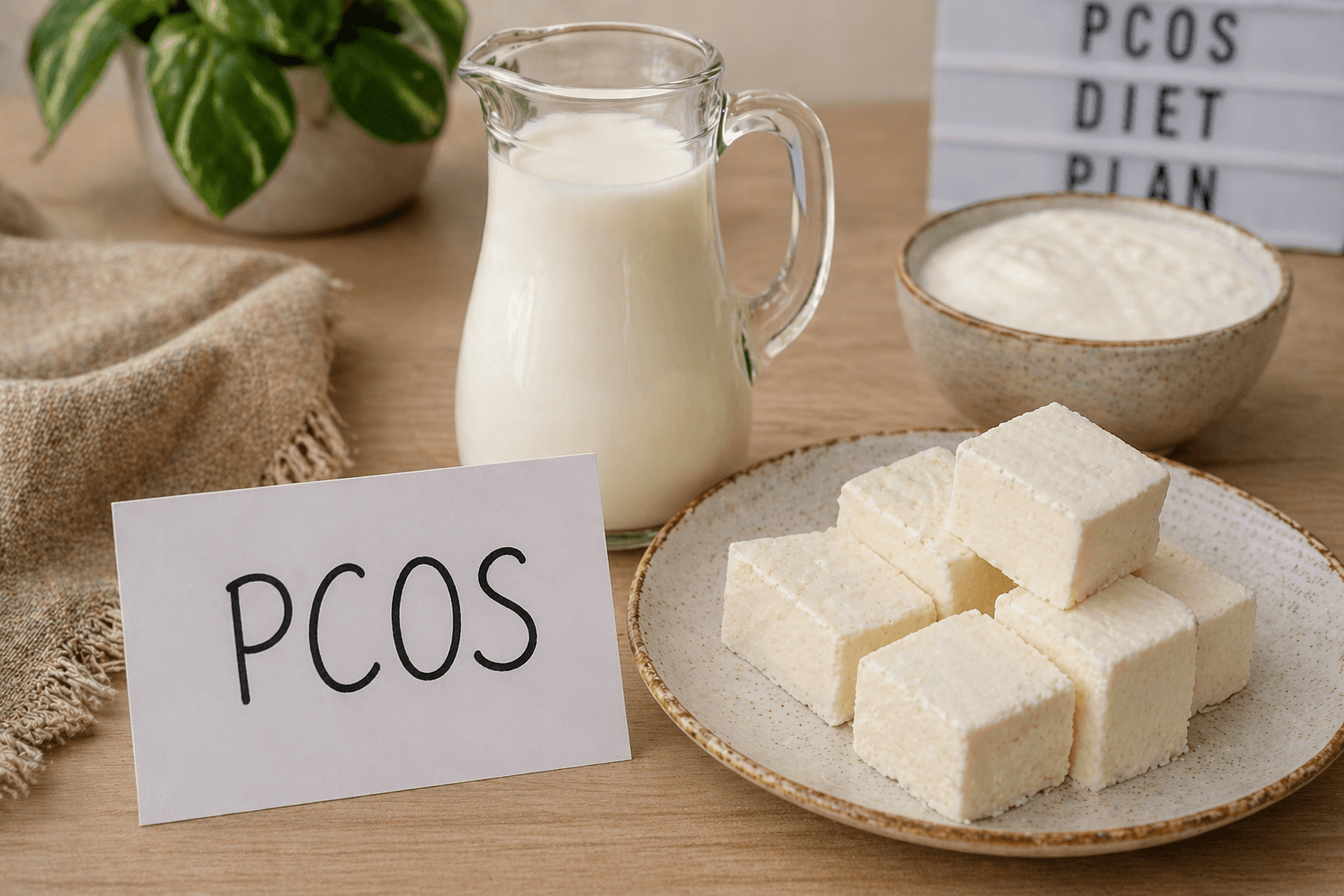
Paneer, in particular, gets targeted because it is familiar, energy dense, and widely used in vegetarian meals. But that same paneer can also be a practical, protein-rich option in Indian diets that otherwise become carb-heavy very quickly. For women managing insulin resistance, satiety is not a small detail. Meals that include meaningful protein often help with cravings, binge patterns, and energy crashes. Paneer can contribute to that when eaten in thoughtful portions and paired with vegetables, pulses, or whole meals instead of being treated as a heavy restaurant indulgence every time.
Where the conversation becomes useful is in context. Some women genuinely notice that dairy worsens bloating, acne, sinus congestion, or digestive discomfort. That matters. Symptom-based observation is far more valuable than online fear. But the correct response is not panic. It is structured testing. If you suspect dairy is affecting you, remove it temporarily, track symptoms, and reintroduce one form at a time. Notice whether the issue is with milk, curd, cheese, or only large quantities.
It is also important to distinguish minimally processed dairy from ultra-processed dairy products. Plain curd, homemade paneer, and unsweetened dahi are not the same as sweetened yogurt cups, dessert drinks, processed cheese slices, and dairy-based sweets. Many foods get labeled as dairy problems when the real issue is sugar, excess quantity, poor meal balance, or frequency.
Another hidden concern is substitution. When women remove paneer without a plan, protein often drops sharply. Meals become roti, rice, fruit, or poha heavy, which can worsen hunger and blood sugar swings. If dairy is being reduced, an equal focus must go into what will replace it. Eggs, tofu, dal combinations, soy, fish, chicken, hung curd alternatives, and strategic legumes can all help, but the replacement must be realistic.
PCOS management works best when it is built around repeatable behaviors: protein, fiber, sleep, movement, stress care, and metabolic consistency. Dairy may need adjustment for some women, but it is not automatically harmful for all. Paneer can remain on the plate if it suits your body and your overall pattern. The goal is not to obey food fear. The goal is to understand what actually supports your symptoms and your sustainability.
Want to read more client stories?